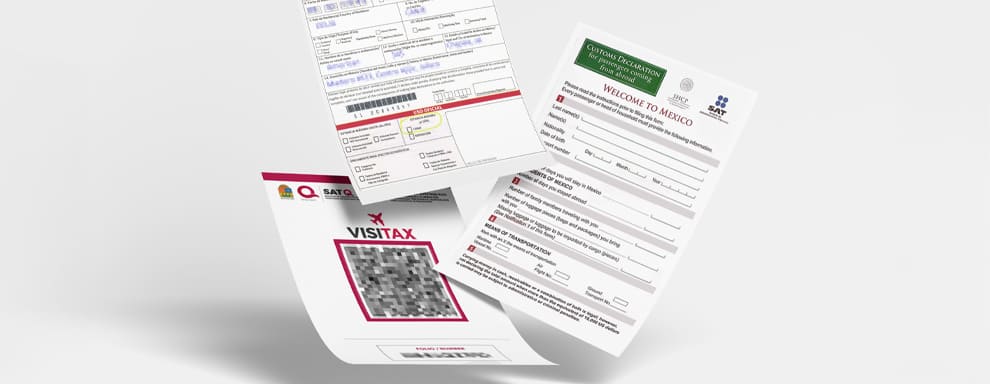


Imagine arriving at the airport for your dream vacation, only to be denied boarding at the check-in gate. It happens to thousands of travelers every year. Why? Not because they don’t have a passport, but because they confused an ETA with a visa.
As digital travel authorizations change rapidly in 2026, knowing the exact entry requirements for your passport is no longer optional.
In this guide, we break down the critical differences between ETAs, eVisas, and traditional visas so you can book your next international trip with 100% confidence and 0% border panic.
What Is an ETA?
An ETA, or Electronic Travel Authorization, is a pre-travel permission that is linked electronically to your passport. It is not a visa, which is important to note.
It is typically designed for travellers who are already visa-exempt for a particular destination, meaning they do not need to go through the traditional visa application process. ETAs are usually based on short-term visits, like tourism, for up to 3 months.
The application process for ETAs is almost always online and takes just a few minutes. In most cases, approval comes through quickly, sometimes within minutes of applying. That said, this is not guaranteed, so don’t leave it until the night before your flight (as I once did).
A few real-world examples of ETAs in use today:
- The UK ETA, introduced for international visitors from visa-exempt countries.
- The Canada eTA, required for most foreign nationals who fly to Canada without a visa.
- The Australia ETA (Subclass 601), used by eligible passport holders for short stays.
What Is an eVisa?
An eVisa is a digital visa that you apply for online, receive electronically, and present at the border, usually as a printout or on your phone. It replaces the old process of visiting a consulate, mailing your passport, or waiting in line at an embassy. For many travelers, myself included, it has been a huge help in recent years.
eVisas are typically used for tourism, short business trips, or other specific purposes. Rules around them—such as who qualifies, how long you can stay, and how quickly they are processed—vary significantly from country to country. Nationality also matters: a destination may offer eVisas to citizens of 60 countries and require a full traditional visa from everyone else.
What Is a Traditional Visa?
A traditional visa is what most people picture when they think of the word "visa": a physical sticker or stamp in your passport, issued by a consulate or embassy.
Getting one usually involves more steps, like filling out detailed application forms, gathering supporting documents, booking an appointment, attending an interview in some cases, and handing over your passport for processing.
In the past, I had to do this for my summer job in the USA and for my first-ever visit to India because I wanted a visa for a longer duration than the eVisa offers.
This process takes longer, costs more in time and sometimes money, and is generally reserved for more complex situations: long-term stays, work permits, student visas, or travel to destinations that have not yet adopted a digital system. However, in many cases, traditional visas are also the only option available to certain nationalities.
If you do need to go to an embassy to apply, try to think of visiting as a fun day out. If you are going to London for example, find a restaurant from the country you are visiting for after your embassy visit to help you look forward to your trip.
Here’s a comparison table to help you work about what you might need:
Countries That Require an ETA
Here are some examples of countries that operate electronic travel authorization systems. I have given examples of eligibility rules, fees, and processing times, but they are subject to change and please always check before you travel.
United Kingdom ETA
The UK introduced its ETA system in 2024, and as of early 2026 it applies to citizens of around 85 visa-exempt countries — including the US, Canada, Australia, and all 27 EU member states. British and Irish citizens do not need one.
Who needs it: Most non-visa nationals visiting the UK, including children and infants.
Apply for UK eTA- Who needs it: Most non-visa nationals visiting the UK, including children and infants.
- Validity: 2 years, or until your passport expires — whichever comes first. Allows multiple entries with stays of up to 6 months each time.
- Processing time: Most decisions arrive within minutes. A small number of applications need further review; the official guidance is to apply at least 3 working days before travel.
- Cost: £20 per application (non-refundable).
- Key consideration: Every traveller needs their own ETA, even children.
Canada eTA
Canada has required an eTA for most air travellers from visa-exempt countries since 2016. If you are travelling overland or by sea, different rules apply — the eTA is specifically for those arriving by air.
Apply for Canada eTA- Who needs it: Citizens of most visa-exempt countries flying into Canada. /li>
- Validity: 5 years, or until your passport expires — whichever comes first. Multiple entries allowed; stays of up to 6 months at a time./li>
- Processing time: Approval usually comes within minutes, though some applications may take up to 72 hours./li>
- Key consideration: Lawful US permanent residents are generally exempt from the eTA requirement.
Australia ETA (Subclass 601)
Australia's ETA is one of the older electronic travel systems in the world, and it works well — in my experience,
Apply for Australia eTA- Who needs it: Citizens of eligible countries including the US, UK, Canada, Japan, South Korea, Singapore, Malaysia, Brunei, and most EU/EEA nations. You must hold a valid national passport (not a certificate of identity or other travel document).
- Validity: 12 months from the grant date, or until passport expiry. Multiple entries with stays of up to 3 months each visit.
- Processing time: Most applications are approved instantly; some may take up to 72 hours.
- Key consideration: The ETA does not permit paid employment.
New Zealand NZeTA
New Zealand introduced its NZeTA for visitors from visa-waiver countries, along with a small International Visitor Conservation and Tourism Levy (IVL) paid at the same time.
Apply for NZeTA- Who needs it: Citizens of visa-waiver countries visiting New Zealand by air or sea.
- Validity: 2 years for most travellers (5 years for airline crew).
- Processing time: Allow up to 72 hours, though many are processed faster. Apply well in advance.
- Financial requirement: Visitors must have access to at least NZD $1,000 per month (or $400/month if accommodation is pre-paid).
- Key consideration: Your passport must be valid for at least 3 months beyond your intended departure date.
South Korea K-ETA
South Korea's K-ETA system is worth paying close attention to because significant changes are coming in 2027. As of 2026, citizens of 67 countries, including the US, UK, Canada, and Singapore, are currently exempt from the K-ETA requirement for short-term visits. However, as of 1 January 2027, the K-ETA becomes mandatory for all visa-free travellers.
Apply for K-eTA- Who needs it (as of 2026): Visa-free travellers from countries not on the current exemption list. Note: from 1 January 2027, the K-ETA becomes mandatory for all visa-free travellers.
- Age exemptions: Travellers aged 17 and under or 65 and over are officially exempt and can enter with a valid passport and the mandatory e-Arrival Card.
- Validity: 3 years, or until passport expiry — whichever comes first. Multiple entries permitted.
- Processing time: Usually within 72 hours; most approvals (around 90%) come through within 12 hours.
- Cost: 10,000 KRW (approximately USD $7–8).
- Key consideration: The rules will change at the start of 2027.
Countries Offering eVisas
Electronic visa systems have transformed travel to many destinations that once required lengthy embassy processes, making travel there much more accessible.
I’ve listed some popular countries that offer digital visa applications.
India
India offers one of the world's most extensive eVisa systems, covering over 160 nationalities across a wide range of travel purposes.
Apply for India eVisa- Who can apply online: Citizens of 160+ eligible countries (check the official list, as it is updated periodically).
- Common travel purposes: Tourism, recreation, visiting friends and family, short-term yoga or cultural programmes, business trips, medical treatment, and conference attendance.
- Processing time: Typically 3 to 5 working days. During peak travel seasons, allow more time. The guidance is to apply at least 4 days before your travel date.
- Key requirement: Passport must be valid for at least 6 months from your arrival date and have at least 2 blank pages.
Turkey
Turkey's eVisa is valid for short visits, usually up to 30 or 90 days. Don’t forget to print it and carry it with you the whole trip.
Apply for Turkey eVisa- Who can apply online: Over 60 nationalities, including citizens of the US, Germany, Australia, and Canada. Citizens of India and Pakistan can apply only if they also hold a valid visa or residence permit from the US, UK, or a Schengen country.
- Common travel purposes: Tourism and short-term business.
- Processing time: Most applicants receive approval within 24 hours. Apply at least 48 hours before departure to be safe.
- Key consideration: Turkey's eVisa eligibility list changes periodically. Always check the current list before applying.
Vietnam
Vietnam opened its eVisa system to all nationalities in 2023.
Apply for Vietnam eVisa- Who can apply online: Citizens of all countries and territories.
- Common travel purposes: Tourism, business, and transit.
- Validity: Up to 90 days, with single or multiple-entry options available.
- Processing time: Standard processing is 3 working days (excluding weekends and public holidays); during peak periods, allow 4 to 7 working days.
- Entry options: The eVisa is accepted at 13 airports, 16 land border crossings, and 13 seaports — though not all entry points.
Egypt
Egypt's eVisa is available to citizens of over 60 countries and covers short-term tourism stays.
Apply for Egypt eVisa- Who can apply online: Citizens of 60+ countries, including the US, UK, most EU nations, and Switzerland.
- Common travel purposes: Tourism only. The eVisa is strictly for short-term tourist visits.
- Stay duration: Up to 30 days per visit.
- Processing time: Most applications are processed within 3 to 7 business days. Apply at least 7 working days before travel.
- Key consideration: You must use the same passport at the Egyptian border that you used to apply for the eVisa
How to Know What You Need Before You Travel
The single best thing you can do before any international trip is to check your entry requirements early, when you are researching the trip, not the night before your flight.
One of the most popular mistakes people make is having a transit through the US and not realising that they need a visa. Or, planning a 3-month backpacking trip around a country like Thailand, but the visa on arrival you are planning on getting only allows 2 months of entry.
Here is what to look up for every journey:
- Your nationality: Entry requirements are always based on the passport you hold, not where you live.
- Your destination country: Each country has its own rules. Even within regions, requirements differ significantly.
- Your travel purpose: A tourist visa is not the same as a business visa, and applying for the wrong category can cause problems at the border.
- Your length of stay: Some entry permissions cover short visits only. If your trip runs longer than allowed, you may need a different type of authorization.
- Transit requirements: Passing through a country, even without leaving the airport, can sometimes require its own authorisation.
- Passport validity: Many countries require your passport to be valid for at least 3 to 6 months beyond your planned departure date. Check this well before you travel.
- Whether you need an ETA, eVisa, traditional visa, or nothing at all: The official Foreign Affairs or Immigration website of your destination country is the most reliable place to check.
Common Travel Authorization Mistakes
To help ensure you don’t make any mistakes, you can here are the mistakes that come up most often:
- Confusing an ETA with visa-free travel. Many travellers assume that "visa-free" means they can simply arrive with a passport. In many cases, even visa-exempt travellers need an ETA or another pre-travel authorisation. Always check before you fly.
- Assuming an eVisa and an ETA are the same. These are different systems. An ETA is typically for travellers who are already visa-exempt; an eVisa is still a visa, just processed digitally.
- Applying too late. Even systems that advertise instant approvals occasionally take longer. Apply days before your trip, not hours.
- Entering incorrect passport data. A typo in your passport number, expiry date, or name can invalidate an authorisation. Check every field carefully before submitting.
- Travelling with a passport that expires soon. Most destinations require your passport to be valid for at least 3 to 6 months beyond your intended departure date.
- Choosing the wrong visa category. Applying for a tourist eVisa when you are actually attending a conference or doing business may create issues at the border.
- Forgetting transit requirements. If your route involves a layover in a country you are not planning to visit, check whether you need a transit visa for that stop.
Travel has genuinely become more accessible over the years with the introduction of eVisa’s and ETA’s and has saved us a lot of time because there is no need to visit embassies.
But in some cases, it’s become so easy that we often forget we still need to apply online. Many travelers use services like VisaSyst to help avoid these common mistakes and submit their applications with greater confidence.
I remember visiting Taiwan and Japan, where I didn’t need to apply for anything online in advance, and having a huge panic when I realised at the last minute that I did need to apply for an ETA to visit South Korea.
My advice is that as soon as you book a trip, look up the entry requirements for your passport and your destination. Do not rely on what a friend told you, or that ‘everyone on Instagram’ is there so you assume you just arrive at the airport without needing to do anything. This is not always the case, and often rules change.
Frequently Asked Questions
Is an ETA the same as a visa?
Toggle faqs
No. An ETA is a pre-travel permission linked electronically to your passport, designed for travellers who are already visa-exempt for a given destination. It is not a visa. A visa — whether traditional or electronic — is a formal permission to enter a country, and it involves a different application process and set of conditions.
Which countries require an ETA?
Toggle faqs
Several countries now require ETAs for eligible visitors, including the United Kingdom, Canada, Australia, New Zealand, and South Korea. Eligibility for each ETA depends on your nationality, not every passport holder qualifies, and requirements change over time.
What is the difference between an ETA and an eVisa?
Toggle faqs
An ETA is for travellers who do not need a visa, think of it as a lighter digital authorisation confirming eligibility before you board your flight. An eVisa is a digital version of a traditional visa, you are still applying for formal entry permission, just through an online system instead of visiting an embassy in person.
Can I apply online?
Toggle faqs
In most cases involving ETAs and eVisas, yes. For traditional visas, you may still need to visit a consulate or embassy, attend an interview, or submit your passport in person.
How long does approval take?
Toggle faqs
It varies. Many ETAs are approved within minutes (Canada, UK, Australia). eVisas typically take a few working days. For example, India and Egypt suggest allowing 3 to 7 business days. Turkey usually approves within 24 hours, while South Korea's K-ETA takes up to 72 hours. Applying at least a week before travel is always good practice.
Can an ETA be rejected?
Toggle faqs
Yes. An ETA can be denied for reasons including issues with the information provided, security concerns, or prior immigration violations. Approval is not guaranteed. Always apply well in advance to allow time to resolve any issues.