

Whether you need a China visa depends on your passport, why you’re visiting, how long you’ll stay, and where you’re going next.
US and Indian passport holders generally need a visa for a regular trip to mainland China. Canadians, British citizens, and Australians with ordinary passports can visit visa-free for up to 30 days for qualifying trips through December 31, 2026.
This guide covers the entry requirements for mainland China. Hong Kong and Macao have separate entry rules. Even if you qualify for visa-free entry to the mainland, you’ll usually need to complete a China Arrival Card.
Traveling to China? Complete your arrival card before you fly
Complete my China Arrival Card
Do You Need a Visa to Go to China?
Start with the passport you’ll use. Then check whether your route and purpose qualify for a visa waiver or visa-free transit.
30-day visa-free entry: Eligible countries through December 31, 2026
China’s unilateral visa waiver covers ordinary passport holders from the following 48 countries through December 31, 2026, Beijing time. It allows stays of up to 30 days for tourism, business, family or friend visits, exchanges, or transit.
Brunei and Russia have different timelines. China lists no expiry date for Brunei’s waiver and December 31, 2027, for Russia’s. Some other passport holders qualify under separate reciprocal agreements.
240-hour (10-day) visa-free transit
China allows travelers from 57 countries, including the US, to enter visa-free for up to 240 hours while in transit to a third country or region.
You need a qualifying passport, a confirmed onward ticket with a departure date and seat, and an itinerary through designated ports. Use a travel document with at least three months of validity and stay within the permitted areas.
For example:
- US → Shanghai → Japan can qualify if all conditions are met.
- US → Shanghai → US doesn’t meet the onward-destination rule.
Check the official list of ports and permitted areas before booking.
Travelers who still need a China visa (the US, India, and others)
Apply in advance if your passport, travel purpose, length of stay, or itinerary falls outside the available exemptions. US and Indian passport holders generally need a visa for a round-trip mainland vacation.
A limited 24-hour transit exemption is available across nationalities for qualifying onward routes. If you need to leave the port’s restricted area, ask border officers for a temporary entry permit first.
Visa or visa-free: Most foreign travelers must complete the China Arrival Card
The arrival card records information for border inspection. Most foreign visitors must complete it whether they hold a visa, use a 30-day waiver, or enter under the 240-hour transit policy. Passengers in direct transit for up to 24 hours who stay within the port’s designated area are among the exceptions.
China Arrival Card
Use Visasyst’s optional paid service to complete your card online before you travel.
Complete my China Arrival Card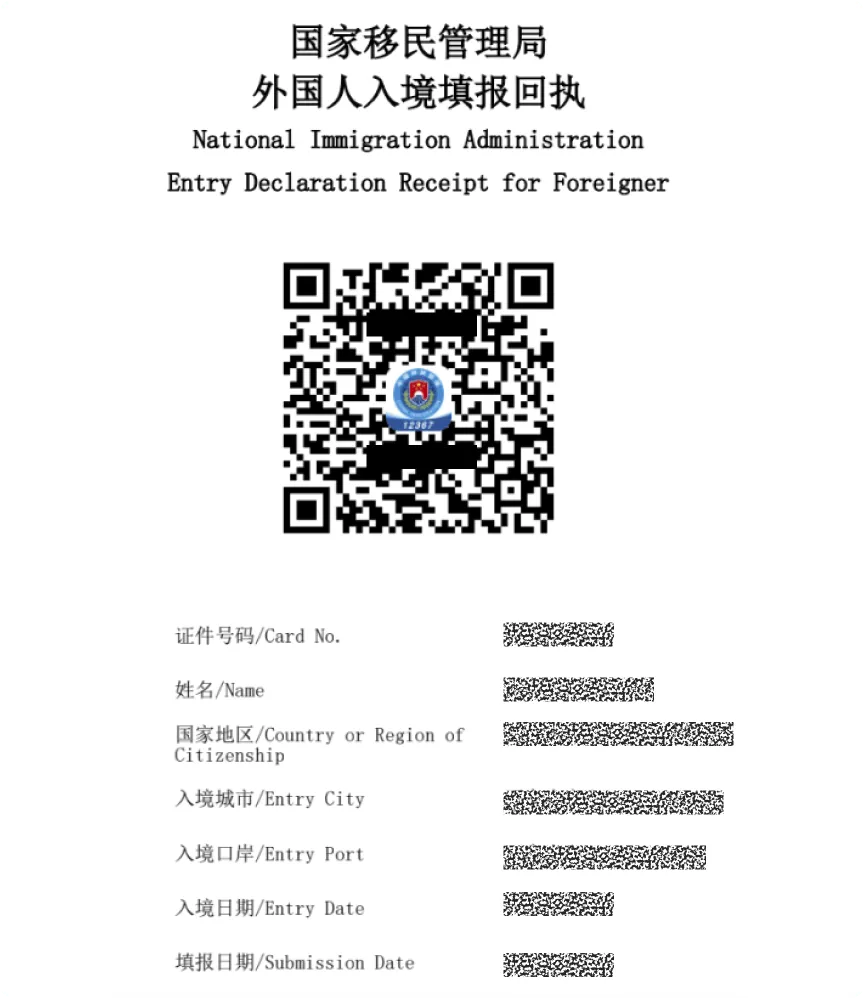
China Visa for US Citizens
Do US citizens need a visa for China?
Yes, for most trips to mainland China. A typical round-trip vacation calls for an L tourist visa unless you qualify for a specific exemption. The nationwide 30-day waiver excludes US passports, but a separate 30-day policy covers eligible visits within Hainan Province.
Can Americans visit China visa-free? The 240-hour transit option
Yes, if you’re continuing to a third country or region and meet the transit rules. Start by checking your arrival and departure ports, then confirm that every mainland stop falls within the permitted areas. Border officers decide whether to admit you under the policy.
How to apply for a China visa from the US
Choose the Chinese embassy or consulate responsible for your area. Submit your form and documents for review online, then wait until the portal asks for your passport. US visa offices offer walk-in passport submission after online review.
Remember to bring:
- Your original passport
- The printed application information page with its barcode
- Any requested originals.
China Visa-Free Entry for Canadian, UK and Australian Citizens
Do Canadians need a visa for China?
Canadians holding ordinary passports can visit mainland China without a visa for qualifying trips of up to 30 days. The waiver took effect on February 17, 2026, and runs through December 31, 2026, Beijing time.
Do I need a visa for China from the UK?
British citizens with ordinary passports qualify for the same 30-day waiver from February 17 through December 31, 2026. If you live in the UK and travel on another country’s passport, check the rules for that passport.
Do Australians need a visa for China?
Australian ordinary passport holders can enter mainland China for up to 30 days for qualifying visits through December 31, 2026. Check Australia’s travel advice and your airline’s passport requirements before departure.
What you can and can’t do during a 30-day visa-free stay
You can go sightseeing, attend business meetings or trade shows, visit family or friends, take part in eligible exchanges, or transit. Apply for the appropriate visa before traveling for employment, formal study, or news reporting. You’ll also need a visa if you plan to stay more than 30 days. The count starts on the day after entry. Keep documents that support your trip purpose, such as an invitation, hotel booking, or onward ticket, in case border officers ask to see them.
Types of China Visas
Tourist Visa (L)
The L visa covers sightseeing and other tourism. If you’re visiting for family reunion, check whether a Q or S visa fits your purpose and your host’s status.
Business Visa (M)
The M visa covers commercial and trade activities. A Chinese trade partner typically provides an invitation or documents describing the business activity. If you’re taking a job in China, check the Z visa requirements.
K Visa for young science and technology talent
China introduced the K visa on October 1, 2025, for eligible young science and technology professionals. It covers activities such as scientific exchanges and relevant entrepreneurial or business projects. The State Council says applicants can apply without an invitation from a Chinese employer or organization. Ask your consular office which qualifications and documents it requires for your case.
Family Visit Visas (Q and S)
A Q visa generally covers visits to or reunions with Chinese citizens or foreign nationals with Chinese permanent residence.
An S visa generally covers visits to foreign family members working or studying in China and certain private matters.
The Q1 and S1 categories generally cover stays of more than 180 days.
Q2 and S2 cover shorter stays of up to 180 days. Expect to document the relationship and your host’s status.
Work (Z), Student (X), and Transit (G) Visas
China Visa Requirements & Documents
China visa photo requirements
Use a recent color photo taken within the past six months against a white or near-white background. Face the camera with a neutral expression. The standard printed size is 33 mm wide by 48 mm high. Check your local office’s digital upload requirements and whether it also asks for print copies.
Passport validity and blank pages
Chinese visa offices in the US and India require more than six months of remaining validity and at least two blank visa pages. Check the entry rules separately if you’re traveling visa-free. China’s unilateral-waiver FAQ calls for an ordinary passport valid for at least the intended stay, and your government or carrier may advise allowing more time.
Itinerary, hotel bookings, or invitation letter
Follow the checklist for your visa category and the office handling your application. For example, Chinese visa offices in the US generally waive round-trip ticket records, hotel bookings, itineraries, and invitation letters for L visa applications filed from within the US. Business and family visa applications can still require invitations. The consular office may request extra evidence for your case.
Proof of funds and travel history
Proof-of-funds and travel-history documents vary by office. India’s tourist visa checklist asks for six months of personal savings statements showing a consistent average monthly balance of at least ₹100,000, or an eligible bank deposit certificate for a similar amount. It also asks for any Chinese visas issued in the past three years and passports issued in the past five years.
How to Apply for a China Visa Step by Step
Visasyst doesn’t process this visa. Use the official Chinese visa channel for your consular district. Some districts use a visa application service center, while others handle applications directly at the embassy or consulate.
1. Complete the China Visa Application Form Online
Choose your visa category and application office. Fill in the form with the details shown in your passport, upload your photo and supporting documents, and submit the application for preliminary review. Check your email or application status for requests and instructions.
2. Book an appointment if required and submit your passport
Wait for instructions before taking your passport to the embassy, consulate, or visa center. Bring the passport, the requested application printout, and any original documents listed by your office. Book an appointment if your office requires one.
3. Check biometrics, processing, and collection
Confirm whether you need to provide fingerprints or attend an interview. Allow time for online review and processing after you submit your passport. Follow the collection instructions on your receipt, then check your name, passport number, visa validity, number of entries, and permitted stay.
China Visa for Indian Citizens
Indian ordinary passport holders generally need a visa to visit mainland China. India is outside the 30-day nationwide waiver and the 240-hour transit program. Eligible onward passengers may use the 24-hour transit exemption.
Online pre-approval and passport submission
Since October 26, 2026, applications in India go directly to the Chinese Embassy in New Delhi or the Chinese Consulate General in Mumbai. Mumbai handles Maharashtra and Karnataka. New Delhi currently handles the other districts, including Kolkata.
Submit the form and documents through the Chinese government’s online portal. Once you receive the email confirming preliminary approval, bring your passport, form, and supporting documents to the appropriate office within 30 days. Pay and collect your passport on the date indicated on your pickup slip.
Fees, biometrics exemption, and processing time
A single-entry visa costs ₹2,900 for Indian passport holders applying in India. The embassy lists seven working days for regular service or four working days for express service, counted from the day after passport submission. The express surcharge is ₹1,800. Pay by bank demand draft at collection.
Through December 31, 2026, eligible applicants seeking a stay of up to 180 days can skip fingerprint collection. The embassy’s current instructions generally require fingerprints for multiple-entry applications, longer stays, and categories that require a residence permit after entry. Check which rule applies to your application before visiting.
China Visa Fees & Processing Times (2026)
Fees depend on your passport, where you apply, and which service you use. The figures below apply to applicants filing in their own country. The times listed cover consular processing after passport submission. Allow additional time for online review.
China Arrival Card: What It Is and How to Complete It
The China Arrival Card gives immigration officers your passport and trip details. You still need to meet the visa or visa-free entry rules for your trip.
Who must complete it (visa-free travelers included)
Most foreign travelers entering mainland China must file an arrival card, including individual visa holders and visa-free visitors.
Exemptions include:
- Certain permanent resident ID or mainland travel permit holders
- Eligible groups
- Travelers using an immigration e-channel
- Cruise passengers arriving and departing on the same ship
- Foreign transport crew
- Qualifying 24-hour direct transit passengers who remain in the designated port area.
Online Arrival Card vs. paper card on arrival
You can file online before traveling. Have your passport, trip details, and address in China ready. At the port of entry, you can also scan the official QR code, use an on-site device where available, or complete a paper card.
Complete your China Arrival Card with VisaSyst
VisaSyst is a private service that offers optional paid help with your arrival card. The official China Arrival Card is free when you file directly. In December 2025, China’s National Immigration Administration warned travelers about websites posing as official filing channels.
If you use Visasyst, enter your passport and trip details online, review the service fee, and submit your order. Your arrival card is sent by email.
Complete my China Arrival Card
For other destinations, use our Travel documents directory to compare entry documents and electronic authorizations.
China Visa News: What Changed in 2025 and 2026
Common Reasons for China Visa Refusal
A consular office may refuse an application if the information is incomplete or inaccurate, the visa category doesn’t match the purpose of the trip, or the documents fail to support the application.
For example, an invitation may omit travel dates or the host’s signature. Other problems include false documents and insufficient funds where proof is required.
Check that your passport details, form, invitation, and travel dates agree. A consular office can ask for more information or an interview and may decline to give a reason for refusal.
FAQs About China’s Visa Policy
Do US citizens need a visa for China?
Toggle faqs
Usually, yes. US passport holders generally need a visa for a round-trip vacation to mainland China. Exceptions include eligible 240-hour transit itineraries and qualifying visits within Hainan Province.
Do Canadians need a visa for China?
Toggle faqs
Canadians with ordinary passports can visit mainland China visa-free for up to 30 days for qualifying trips through December 31, 2026. Apply for the appropriate visa if you plan to work, study, or stay longer.
Do I Need a Visa for China From the UK?
Toggle faqs
British citizens with ordinary passports can enter mainland China without a visa for qualifying visits of up to 30 days through December 31, 2026. If you’re traveling on another passport, check that country’s eligibility.
What is the China K Visa?
Toggle faqs
The China K visa is for eligible young science and technology professionals. It covers activities such as scientific exchanges and relevant business or entrepreneurial projects. Applicants can apply without an invitation from a Chinese employer or organization.
Do I need a China Arrival Card if I enter visa-free?
Toggle faqs
Usually, yes. Most visitors entering mainland China visa-free must complete the arrival card. Exceptions include direct transit passengers who spend no more than 24 hours in China and stay inside the designated port area.
Can I work in China during a visa-free stay?
Toggle faqs
No. The 30-day waiver covers qualifying activities such as sightseeing, business meetings, and family visits. If you plan to work in China, arrange the appropriate work visa and authorization before traveling.